Having stellar technical skills in 3D modeling, texturing, rigging, or lighting is only half the battle. If you cannot present your 3D assets elegantly, art directors and lead studio recruiters will scroll right past your profile in seconds. Recruiting directors look for technical intelligence, artistic taste, and clean organization.
Here are 5 industry-proven, high-impact strategies to polish your ArtStation, Behance, or personal portfolio to capture premium roles at leading creative agencies.
1. Quality Over Quantity: Curating Your Top 3 Cinematic Masterpieces
Do not fill your digital portfolio with dozens of mediocre renders or simple student exercises. Recruiters evaluate you based on your weakest piece, not your strongest. If you have older work that does not meet current professional standards, archive or delete it.
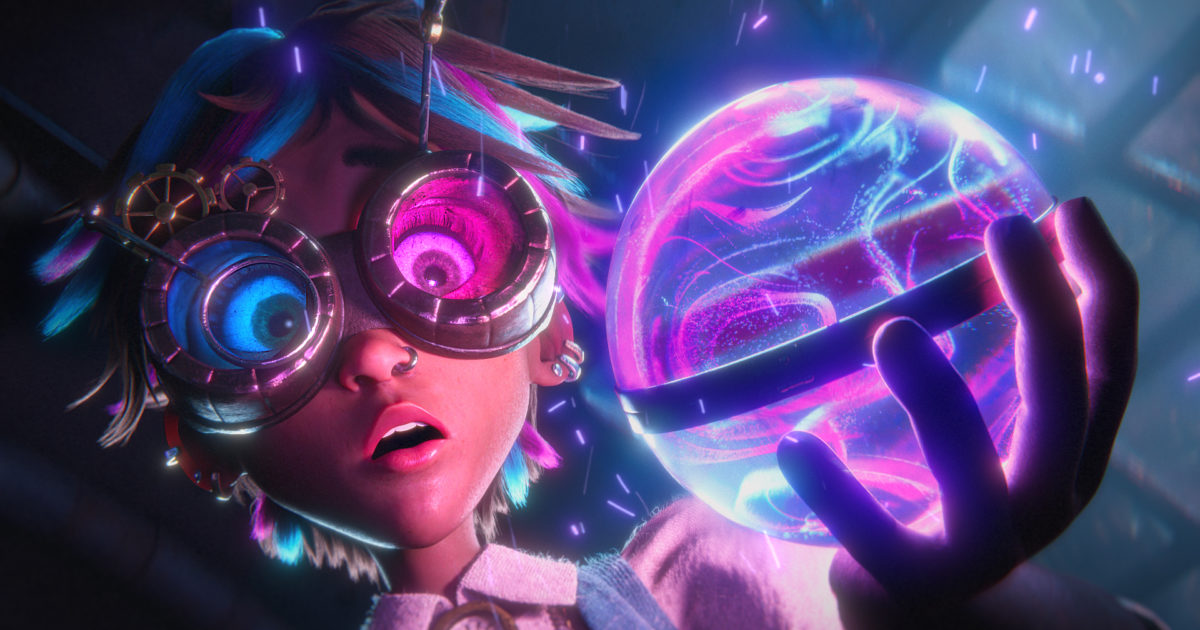
Feature 3 or 4 incredibly high-quality projects that demonstrate a complete understanding of light, texture, and visual storytelling. Each piece should showcase a unique style or skill set, proving your versatility as a professional artist.
2. The Anatomy of a Perfect Technical Breakdown Sheet
Recruiters don't just want to see a polished final composite; they want to know how you solved the problem. Include descriptive breakdown sheets displaying:
- Clean Topology Wireframes: Highlight beautiful edge-loops and proper subdivision surfaces (SubD) to prove your meshes are ready for rigging and production.
- PBR Texture Maps: Show your individual Albedo, Roughness, Normal, and Metallic maps in high-resolution, explaining how you mapped rust, dirt, and dust.
- Lighting and AOVs: Show a breakdown of your key, fill, and rim lights, along with the ambient occlusion pass to illustrate depth control.
3. Mastering Composition, Framing, and Cinematic Color Harmonies
Even the most perfect mesh looks amateurish under poor, flat lighting. Study classic three-point lighting setups, cinematic color theory (like complementary or split-complementary schemes), and rules of framing (Rule of Thirds, Golden Ratio, leading lines).
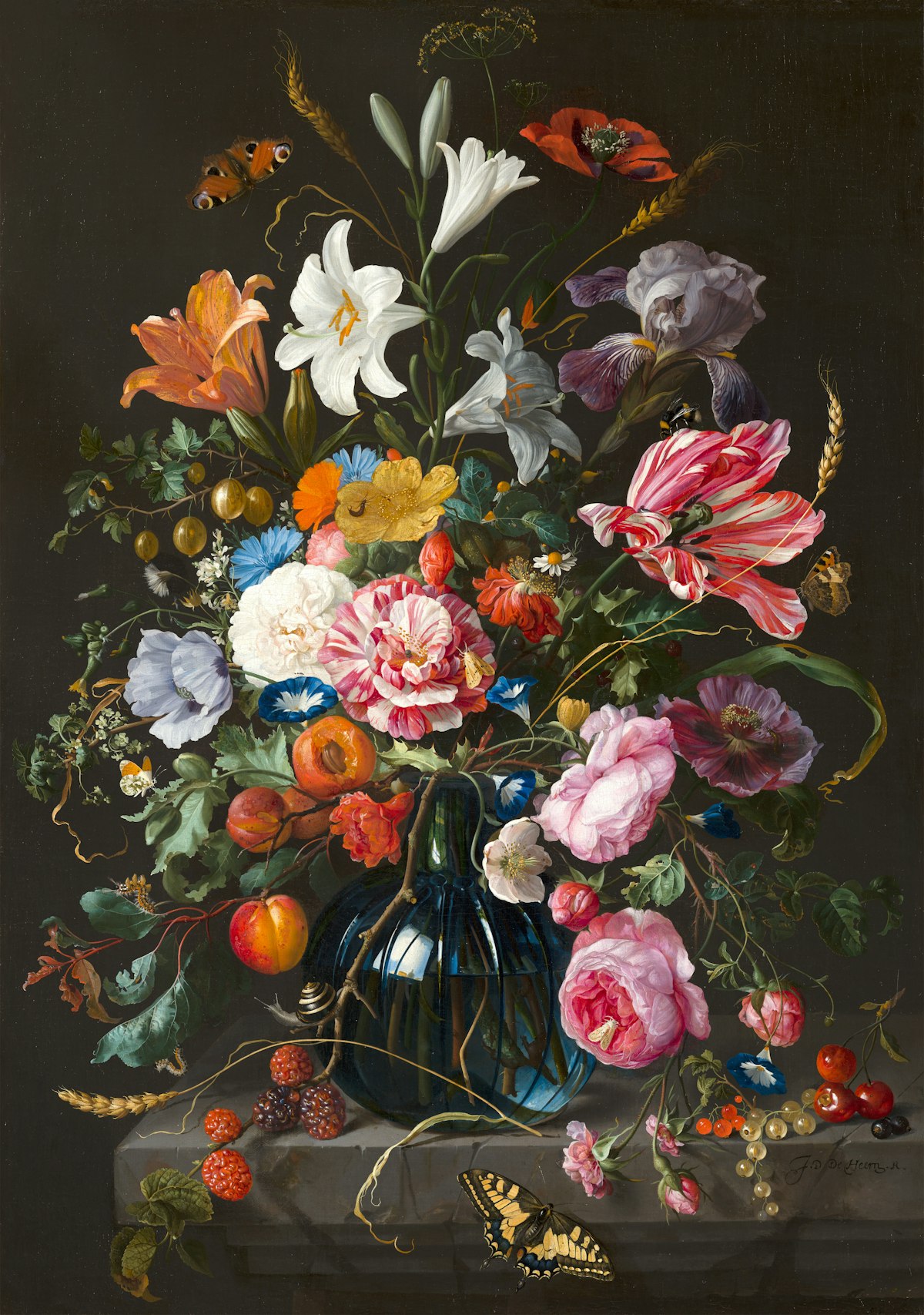
Use a subtle depth of field (DoF) to guide the viewer's eye directly to the focal point of your scene. Adding a touch of chromatic aberration and lens distortion in post-processing can also help mimic real-world camera optics, giving your renders an organic, cinematic feel.
4. Overcoming Hardware Bottlenecks with High-Fidelity Cloud Rendering
Never compromise on your portfolio's visual fidelity because your local computer is too slow. Rendering 4K or 8K frames with high sample counts can lock up your local computer for days.
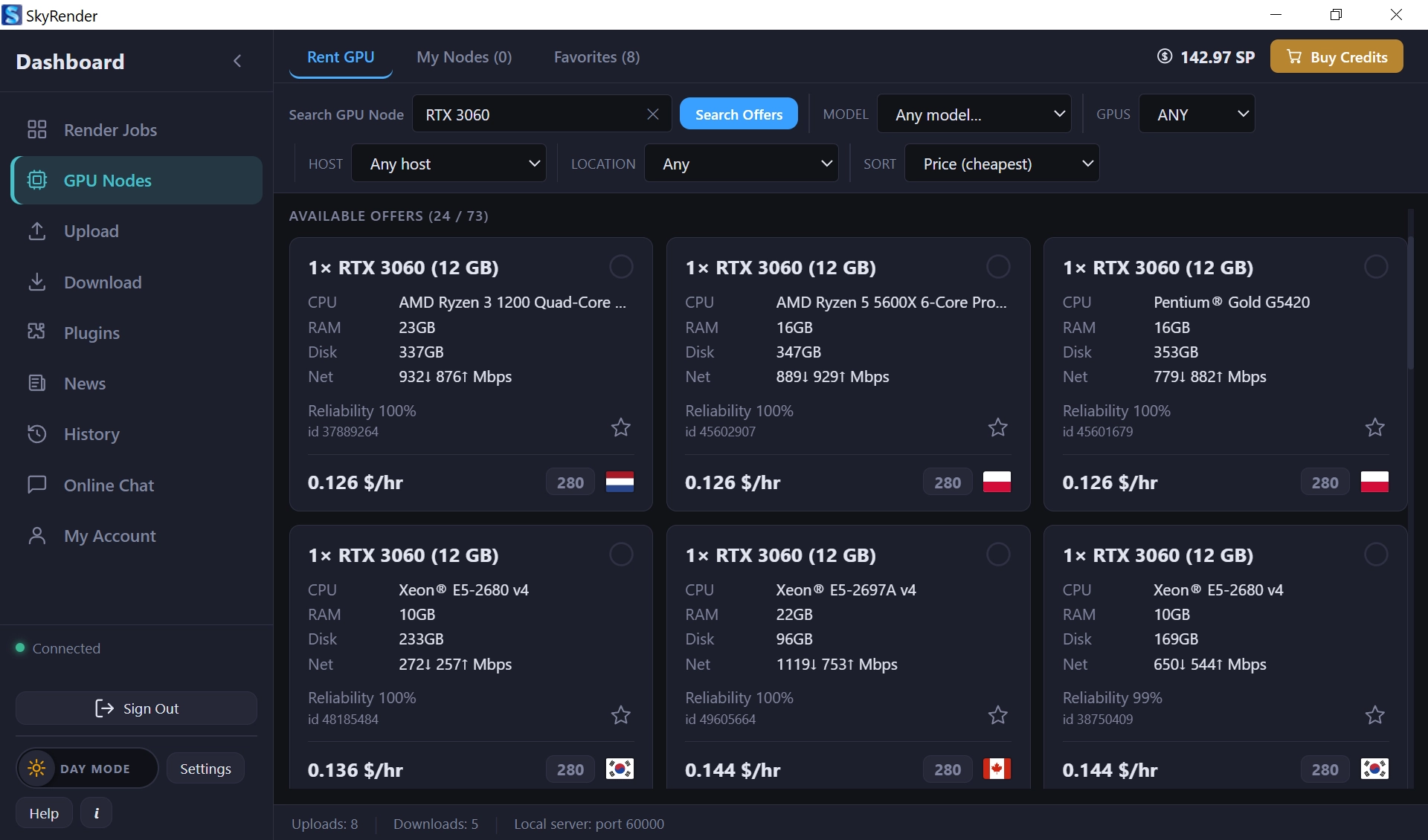
Using a dedicated Cloud Render Farm like Sky Render Farm allows you to render pristine, noise-free portfolio assets with high sampling, volumetric light rays, and advanced displacements in mere seconds. This keeps your local computer completely free for your next creation.
5. Writing SEO-Friendly Project Overviews & Software Case Studies
When posting projects, write professional descriptions detailing the tools used (e.g., "Autodesk Maya", "ZBrush", "Substance 3D Painter", "Blender Cycles").
Use highly searched keywords like "Subdivision Surface Hard-Surface Modeling", "Photorealistic ArchViz Rendering", or "USD Studio Production Pipeline". This ensures that studio recruiters searching for specific software skills or workflows will easily discover your portfolio online.
6. Building an Interactive Network: ArtStation, LinkedIn, and Direct Pitching
Simply uploading your portfolio isn't enough; you must proactively build your professional network. Share breakdown videos on LinkedIn, write detailed tutorials explaining your workflows, and interact with other artists in the community.

Directly reaching out to recruitment managers and technical directors at target studios with a personalized message can also lead to direct contract work and permanent studio opportunities. Presenting your work with a highly professional attitude will help you stand out in the competitive 3D industry.